


When comparing Intel processors, clock speed and core count only tell part of the story. The Intel Core 3 Processor 304 and Core i3 Processor 14100 are designed for very different computing environments. The Core i3 Processor 14100 is a desktop processor built for traditional PCs, while the newer Core 3 304 is a low-power processor designed for compact computing systems.
So how do they compare in performance, power efficiency, and AI capabilities?
TL;DR
- Core 3 Processor 304: 5 Cores, 5 Threads, up to 4.3 GHz, with a 15W Processor Base Power.
- Core i3 Processor 14100: 4 Performance-cores, 8 threads, up to 4.7 GHz, and higher multi-core performance.
- Performance: The Core i3 Processor 14100 is faster in multi-core workloads, while the Core 3 Processor 304 delivers surprisingly competitive single-core performance.
- Efficiency: The Core 3 Processor 304 uses a much lower power envelope, making it better suited to compact systems.
- AI Computing: The Core 3 Processor 304 includes an NPU with up to 15 TOPS of dedicated AI performance.
-
Best Fit: The Core i3 Processor 14100 for traditional desktop PCs; Core 3 Processor 304 for compact, efficient PCs and Mini PCs.

Core 3 Processor 304 vs Core i3 Processor 14100: Key Specifications
The biggest difference between these processors is their design philosophy. The Intel Core i3 Processor 14100 is a 14th Gen desktop processor based on Raptor Lake. It features four Performance-cores and eight threads, with a maximum turbo frequency of 4.7 GHz. Its Processor Base Power is 60W, with Maximum Turbo Power reaching 110W.
The Intel Core 3 Processor 304 belongs to Intel's newer low-power Core Processor Series 3. It combines one Performance-core with four Low Power Efficient-cores, providing five cores and five threads. It reaches up to 4.3 GHz while operating at a 15W Processor Base Power.
| Specification | Core 3 304 | Core i3 14100 |
|---|---|---|
| Architecture | Wildcat Lake | Raptor Lake |
| Cores / Threads | 5 / 5 | 4 / 8 |
| Max Turbo | 4.3 GHz | 4.7 GHz |
| Processor Base Power | 15W | 60W |
| Max Turbo Power | 35W | 110W |
| Dedicated NPU | Up to 15 TOPS | No |
| Primary Platform | Low-power / Compact | Desktop |
Performance: Core 3 Processor 304 vs Core i3 Processor 14100
Raw performance is where the Core i3 Processor 14100 has a clear advantage.
In Geekbench 6 testing, the Core 3 Processor 304 has recorded approximately 2,470 points in single-core and 6,700 points in multi-core performance. The Core i3 Processor 14100 typically reaches around 2,500 single-core and 7,700 multi-core points.
| Processor | Single-Core | Multi-Core |
|---|---|---|
| Core 3 304 | 2,470 | 6,700 |
| Core i3 14100 | 2,500 | 7,700 |
The Core i3 Processor 14100's advantage comes primarily from its four full Performance-cores and eight threads, making it better suited to heavily threaded workloads such as video encoding, software compilation, and CPU-intensive rendering. However, the single-core gap is much smaller.
For everyday tasks—including web browsing, office applications, streaming, document editing, and general multitasking—the Core 3 Processor 304 can deliver responsive performance while operating within a much lower power envelope.
Note: Benchmark scores may vary depending on system configuration, BIOS settings, memory, and cooling.
15W vs 60W: The Efficiency Advantage
The most significant difference between the two processors is power consumption. The Core 3 Processor 304 has a 15W Processor Base Power, compared with 60W for the Core i3 Processor 14100. Their Maximum Turbo Power ratings are 35W and 110W, respectively. This difference matters when designing a compact computer.
A 60W desktop processor requires more substantial cooling and power delivery, particularly when operating under sustained workloads. The Core 3 Processor 304's lower power envelope allows manufacturers to build smaller systems with more compact cooling solutions and lower thermal output.
In other words, the Core i3 Processor 14100 is designed to maximize desktop performance, while the Core 3 304 is designed to balance performance and efficiency.

Core 3 Processor 304 Adds Dedicated AI Acceleration
Another major difference is AI capability. The Core 3 Processor 304 includes Intel AI Boost, with a dedicated NPU capable of up to 15 TOPS INT8. The processor also combines CPU and GPU resources for AI workloads. This enables compatible applications to perform certain AI tasks locally rather than relying entirely on cloud processing.
For emerging AI applications, image processing, voice-related workloads, and AI-enhanced productivity, having a dedicated NPU gives the Core 3 Processor 304 an advantage that the Core i3 Processor 14100 does not have.

Desktop CPU vs Low-Power CPU: What's the Difference?
It is important to understand that these two processors are not direct replacements for each other. The Core i3 Processor 14100 is a desktop CPU. It is designed for traditional desktop computers where power consumption and physical size are less restrictive. The Core 3 Processor 304 is a low-power processor designed around efficiency and compact system design.
This does not mean that a desktop CPU cannot be used in a Mini PC. Manufacturers can build compact computers around desktop processors with appropriate cooling and power solutions.
However, a low-power processor makes the Mini PC design easier to optimize for size, thermals, noise, and energy efficiency. That's where the Core 3 Processor 304 has a natural advantage.
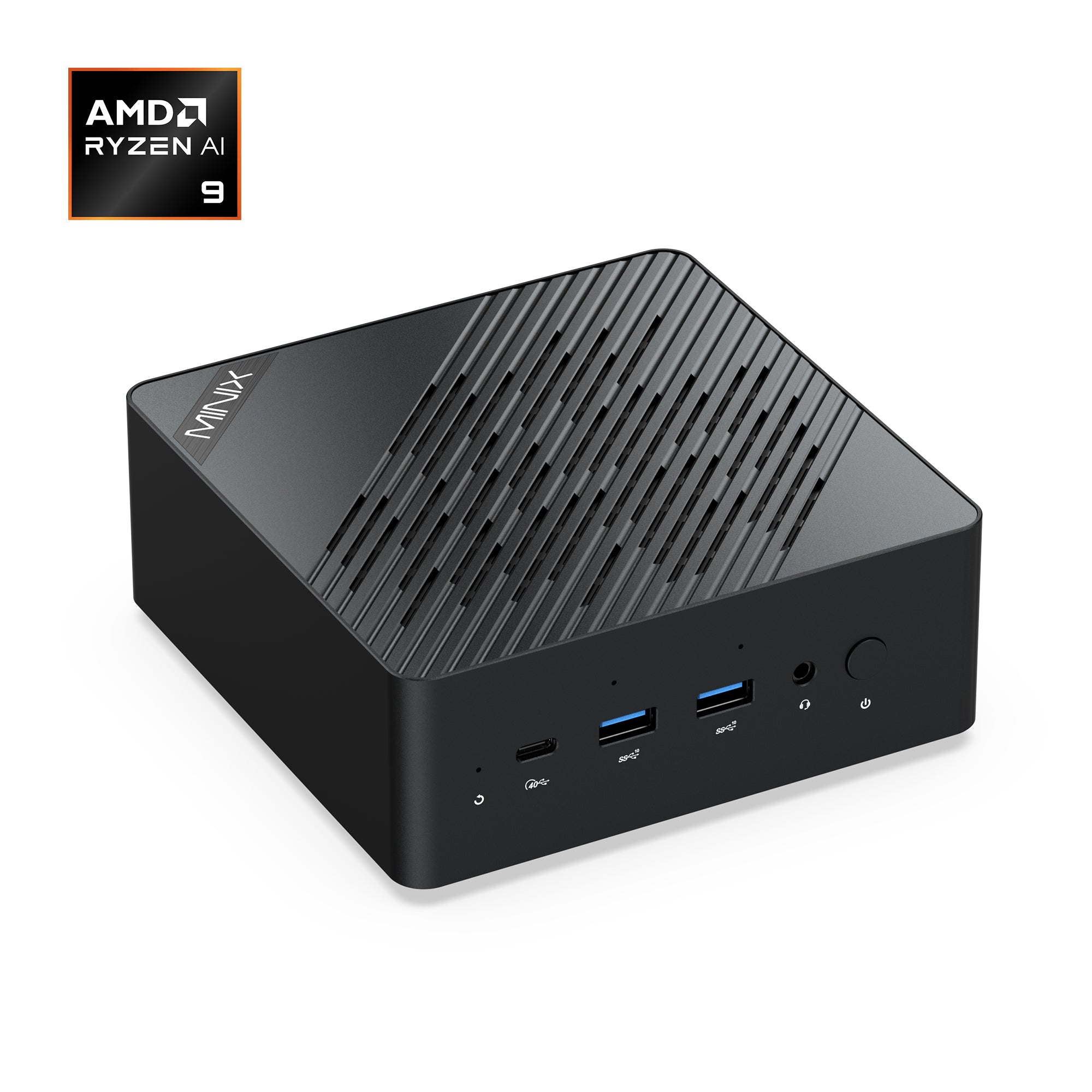
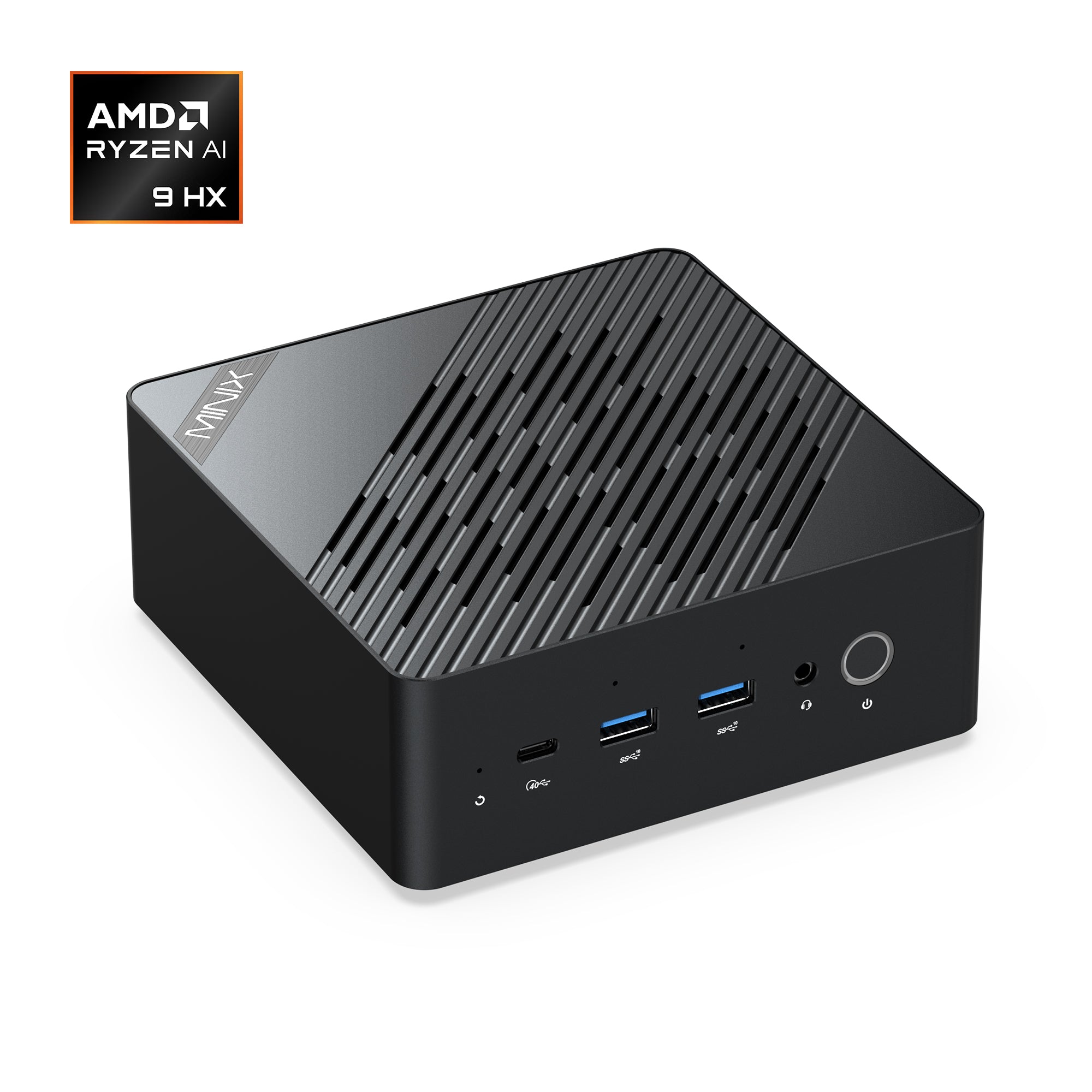
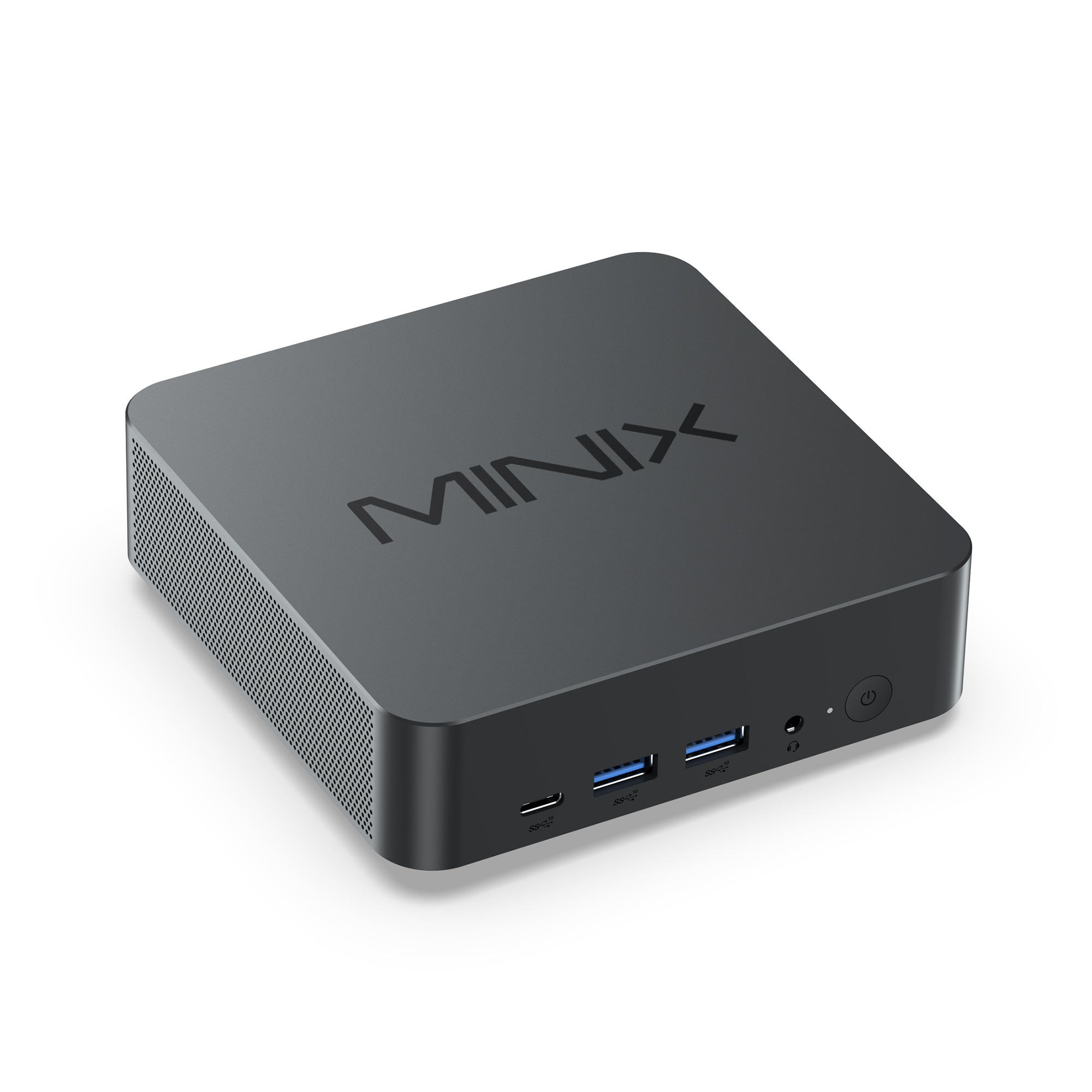
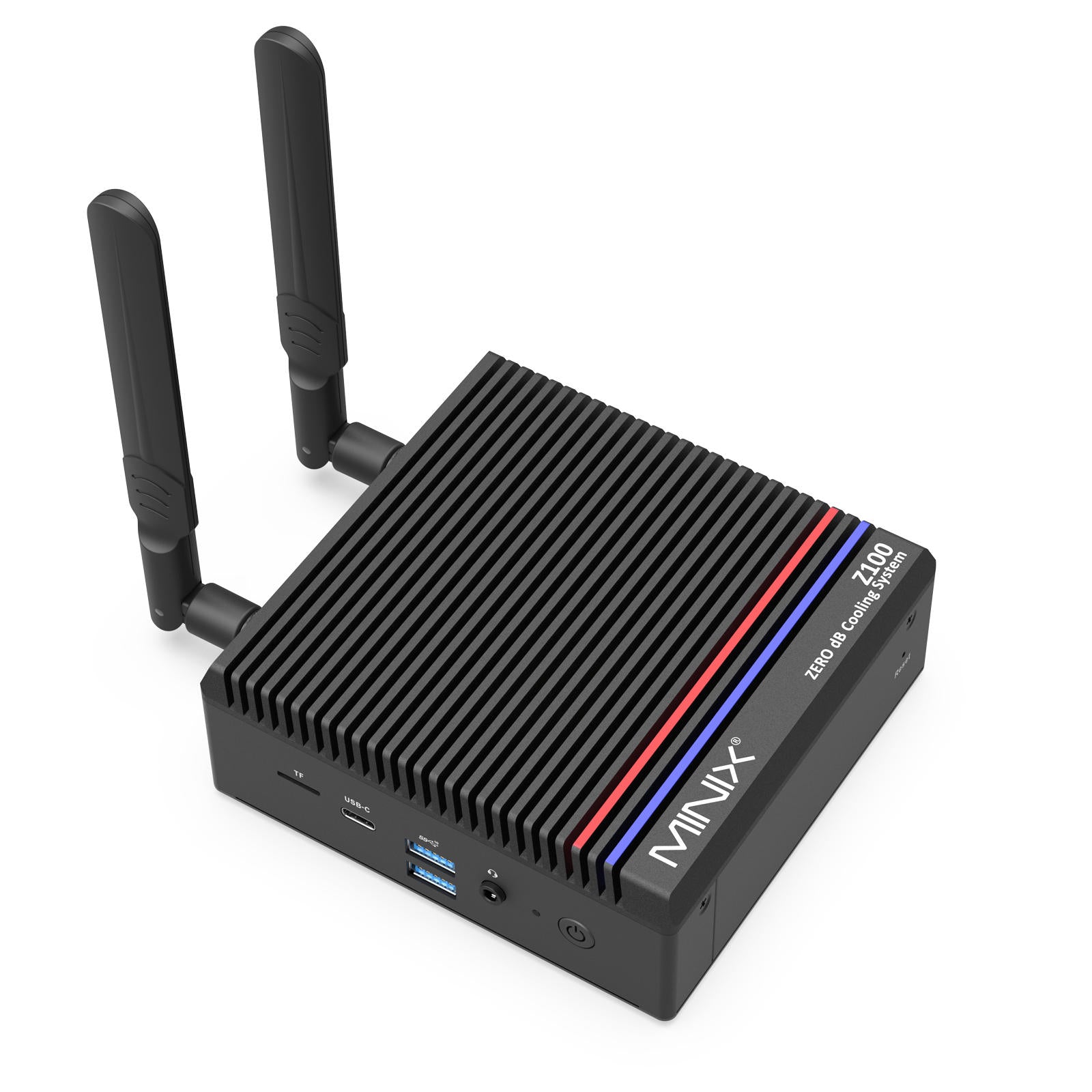
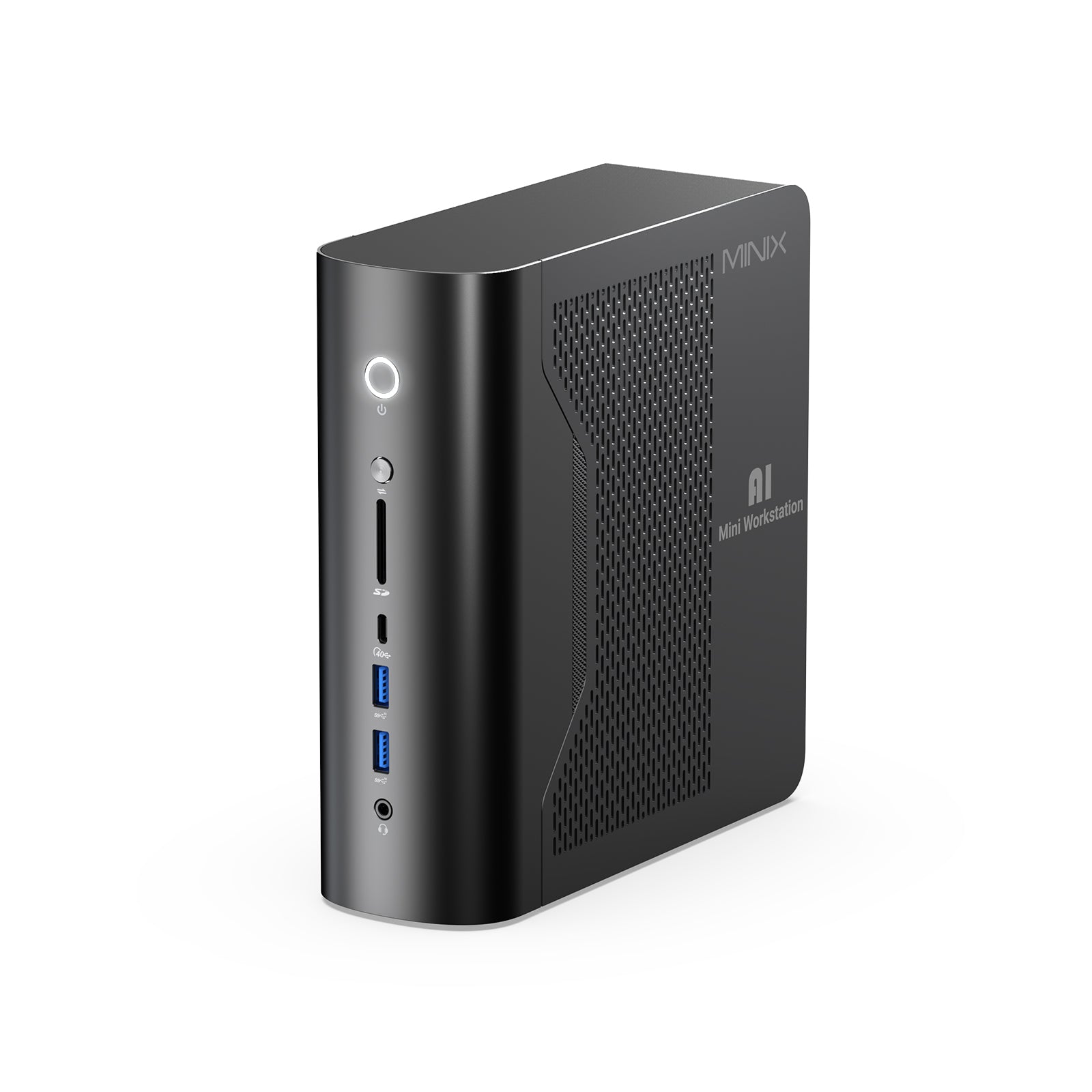
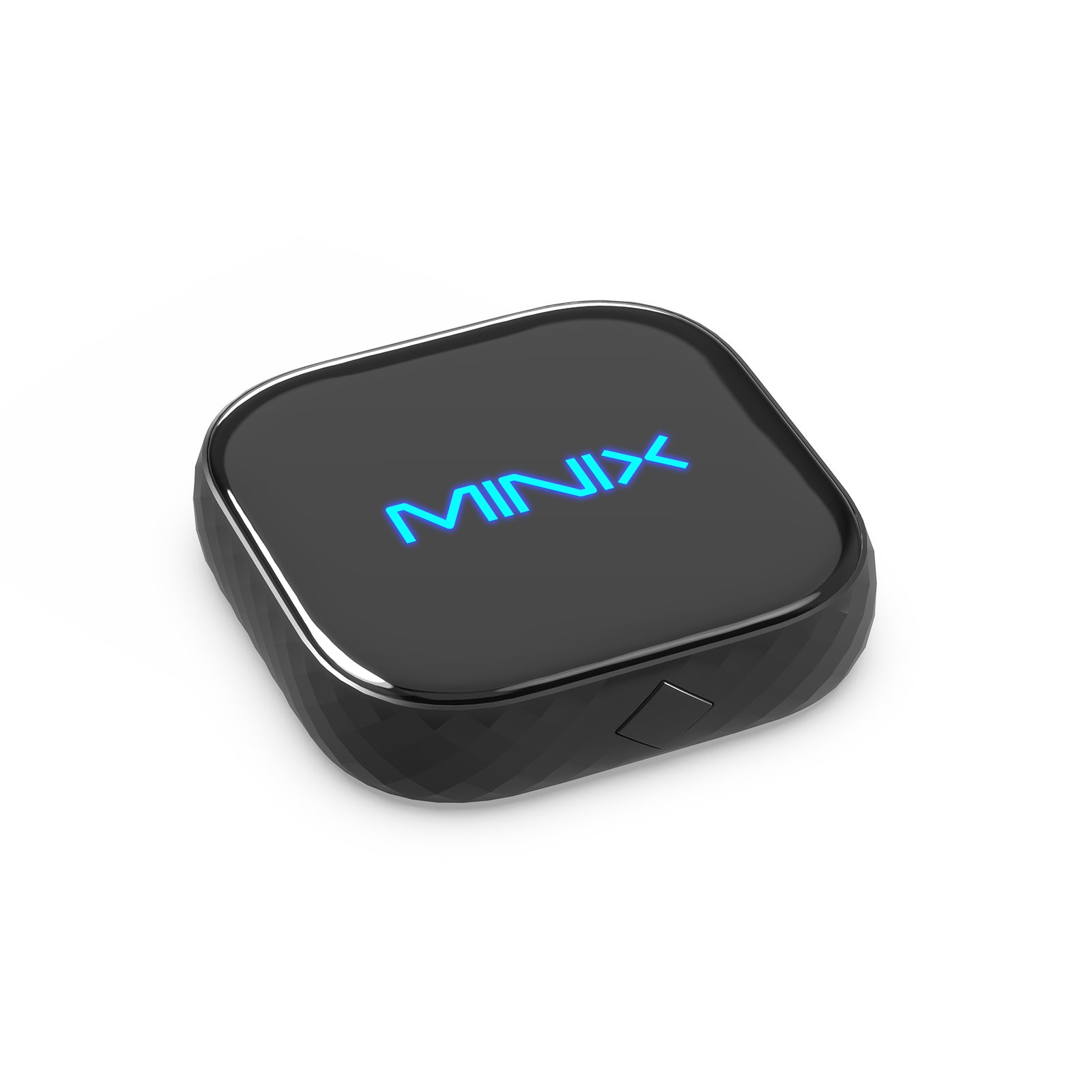
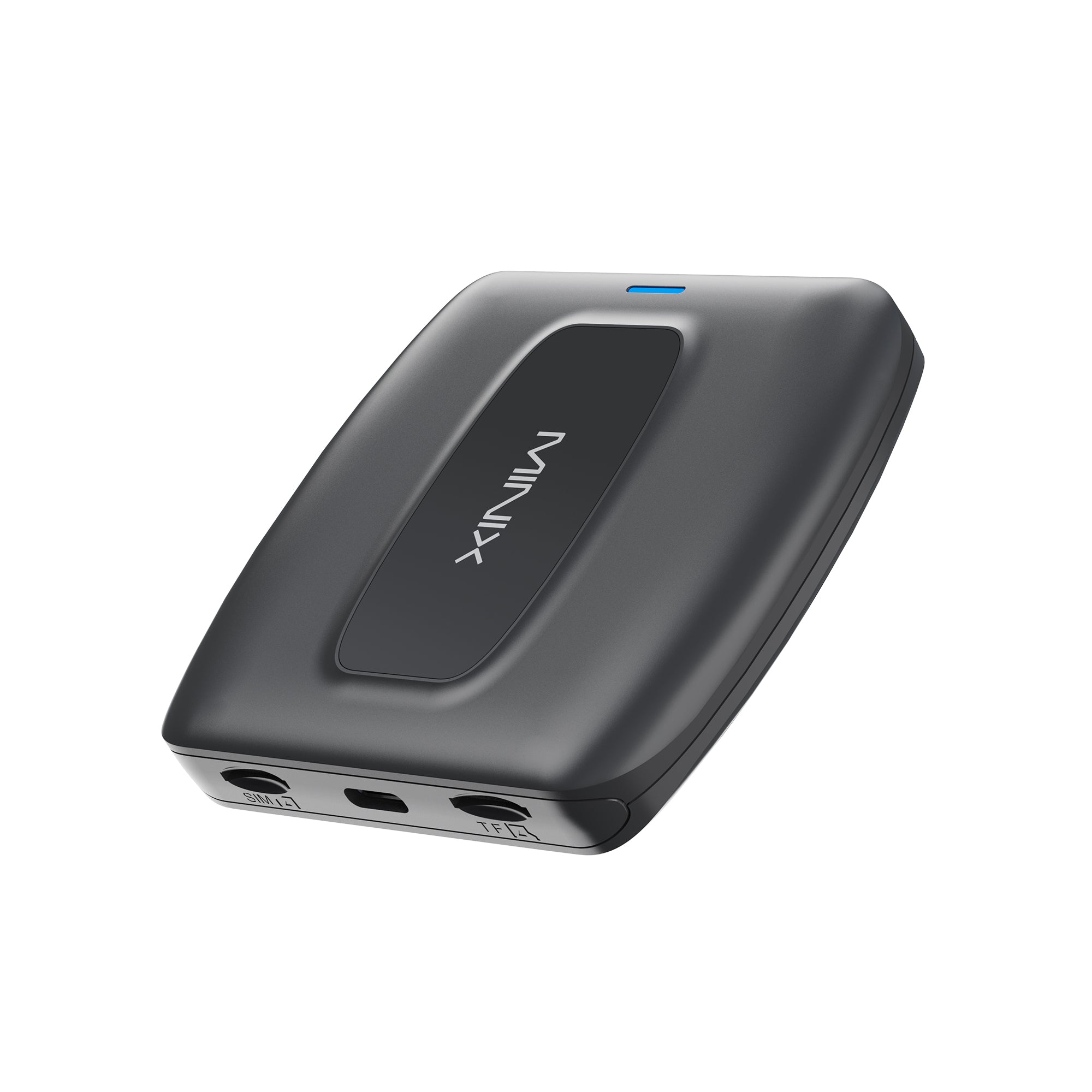
MINIX N304-AI: A Compact Mini PC Powered by Intel Core 3 Processor 304
The MINIX N304-AI brings the Intel Core 3 Processor 304's low-power architecture into a compact Mini PC designed for modern productivity and AI workloads. Powered by Intel's cutting-edge Wildcat Lake platform, featuring an integrated neural processing unit (NPU)—Intel AI Boost—delivering up to 15 TOPS of dedicated hardware AI acceleration. This enables effortless local processing for AI-assisted productivity, smart document summarization, language models, and real-time local automation—completely freeing you from cloud dependency.

FAQ
Which CPU is newer, Core 3 Processor 304 or Core i3 Processor 14100?
The Core 3 Processor 304 is from Intel's newer processor generation, while the Core i3 14100 belongs to the 14th Gen Core family.
Does the Core 3 Processor 304 have an NPU?
Yes. Its Intel AI Boost NPU provides up to 15 TOPS of dedicated AI performance. It is powered by Intel's cutting-edge Wildcat Lake platform.
Which processor is better for everyday tasks?
Both are suitable for web browsing, office work, streaming, and other everyday tasks. The better choice depends on your performance and system requirements.
Which processor should I choose?
Choose the Core 3 Processor 304 for a newer platform and modern Mini PC applications. Choose the Core i3 Processor 14100 if you prefer its established desktop performance and platform compatibility.


Leave a comment
All comments are moderated before being published.
This site is protected by hCaptcha and the hCaptcha Privacy Policy and Terms of Service apply.